

Graves’ & TED
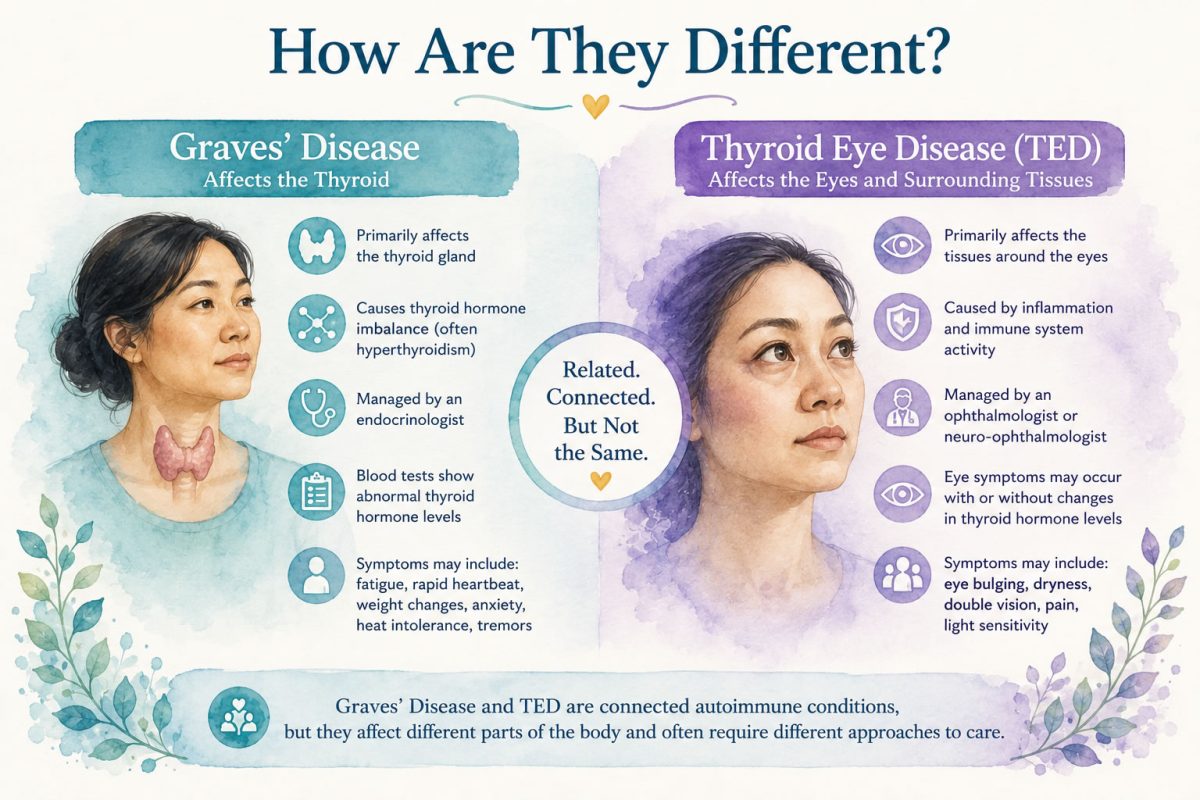
Related. Connected. But Not the Same. Understanding the relationship between Graves’ Disease and Thyroid Eye Disease can help you recognize symptoms earlier, ask informed questions, and partner with your healthcare team throughout your journey.
Many people living with Graves’ Disease also develop Thyroid Eye Disease (TED), yet the relationship between these two autoimmune conditions is often misunderstood. Although they are connected, Graves’ Disease and TED are separate conditions that can follow different paths, affect different parts of the body, and require different approaches to care.
Understanding how Graves’ Disease and TED are related can help you make informed healthcare decisions, recognize symptoms earlier, and work with your healthcare team to develop a treatment plan that is right for you. Whether you are newly diagnosed, living with one condition or both, or supporting someone you love, this page is designed to help you navigate the journey with greater confidence, knowledge, and hope.
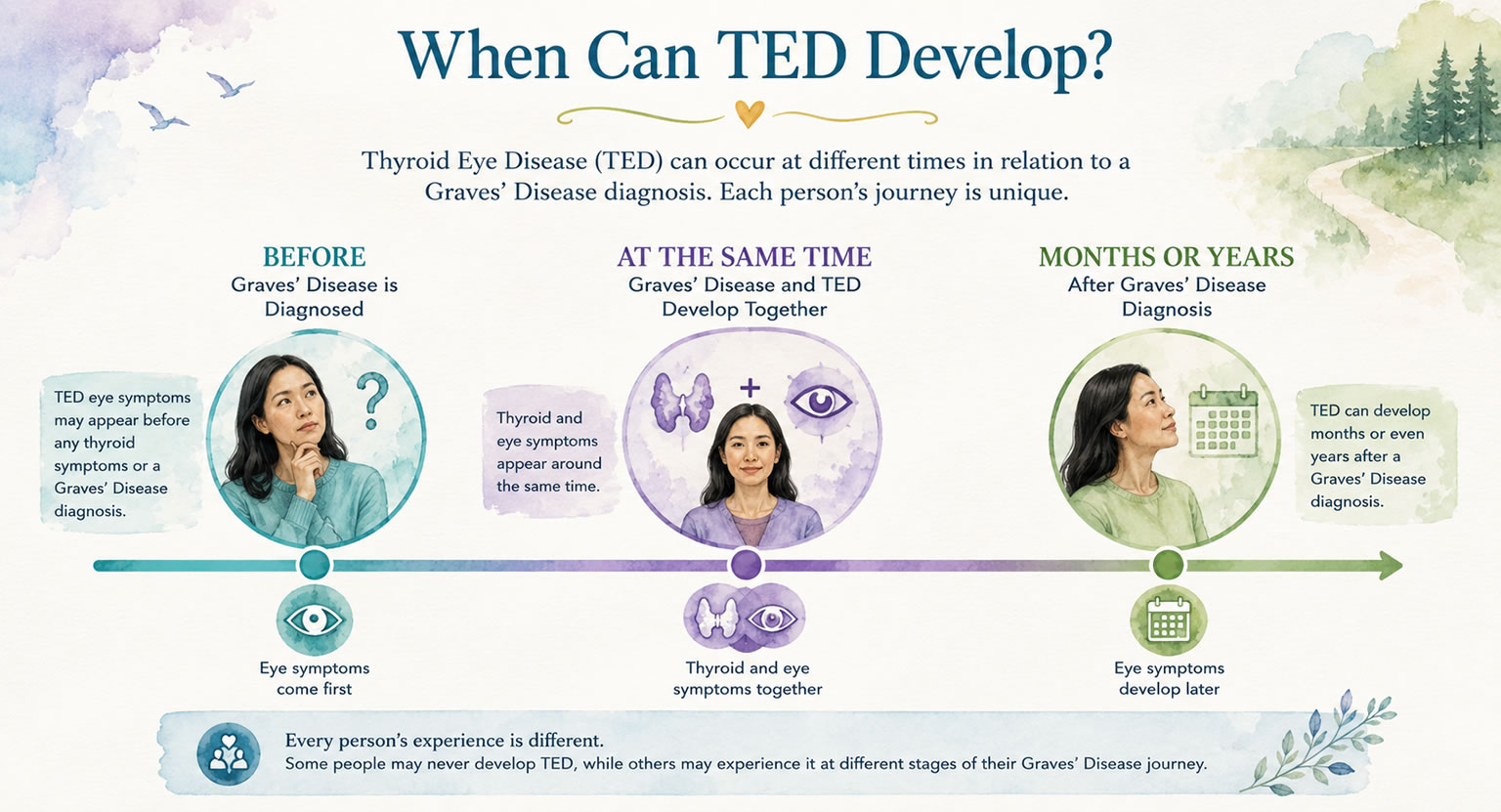
Every person’s journey is unique. Some people with Graves’ Disease never develop TED, while others may experience eye symptoms before, during, or after their Graves’ Disease diagnosis.
Graves’ Disease & TED Glossary: A Patient’s Guide
Learning about Graves’ Disease and Thyroid Eye Disease (TED) often means becoming familiar with new medical terms, abbreviations, and treatment options. Our glossary provides clear, patient-friendly definitions to help you better understand the language used by healthcare professionals, researchers, and the Graves’ community. Whether you’re newly diagnosed or simply looking for a quick reference, we hope this resource helps you feel more informed and confident throughout your healthcare journey.
Could It Be Thyroid Eye Disease (TED)?
Common Signs & Symptoms
Thyroid Eye Disease (TED) affects each person differently. Some people experience only mild symptoms, while others develop more significant changes over time. Symptoms may affect one eye or both eyes and can change throughout the course of the disease.
If you notice any of the following symptoms, talk with your healthcare provider or ask for a referral to an ophthalmologist or neuro-ophthalmologist familiar with TED.

TED & Mental Health
More Than Vision
Thyroid Eye Disease (TED) affects more than the eyes. It can influence how people see the world—and how they see themselves. Beyond physical symptoms such as double vision, eye pain, dryness, and light sensitivity, many people experience emotional challenges including anxiety, depression, disrupted sleep, and concerns about their future.
Research from the ElevaTED patient survey found that people with more severe TED symptoms were more likely to report anxiety, depression, sleep difficulties, and limitations in everyday activities, highlighting the importance of caring for both physical and emotional health.

When Your Reflection Feels Unfamiliar
Your appearance may have changed, but your worth has not. Your diagnosis does not define who you are.
One of the most difficult aspects of TED is something that cannot be measured by a blood test or eye examination—the feeling that your appearance no longer reflects who you are.
Changes in the eyes or face can affect confidence, relationships, work, and social interactions. Many people describe grieving the loss of their former appearance or feeling disconnected from the person they once recognized in the mirror.
These feelings are common.
They are understandable.
And you do not have to face them alone.

Healing Includes More Than Your Eyes
Recovery from TED is about more than improving vision or reducing inflammation. It also means rebuilding confidence, reconnecting with others, finding support, and rediscovering the parts of yourself that make you who you are.
Healing can include:
✓ Talking openly with your healthcare team
✓ Seeking support from family and friends
✓ Connecting with others who understand TED
✓ Speaking with a mental health professional when needed
✓ Giving yourself grace as you move through recovery
Understanding Current Treatment Options for TED
Seeing the Whole Person
Treatment for Thyroid Eye Disease (TED) has advanced significantly in recent years. While every person’s experience is different, today’s treatment options focus on preserving vision, reducing inflammation, improving comfort, restoring function, and helping people regain confidence in their daily lives.
The right treatment depends on many factors, including whether TED is active or inactive, the severity of symptoms, overall health, and individual goals. Your ophthalmologist or neuro-ophthalmologist can help determine which approach may be appropriate for your situation.
Supportive Eye Care
For mild symptoms
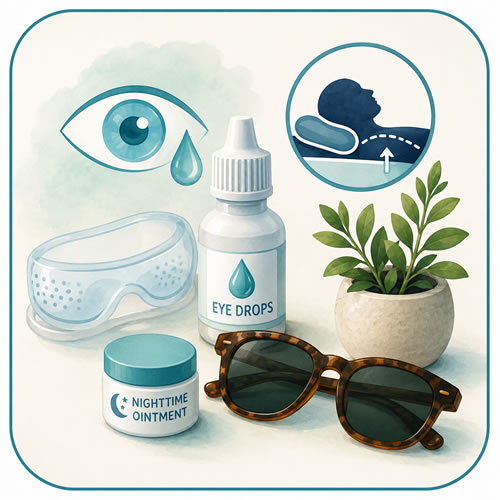
Artificial tears, nighttime ointments, sunglasses, moisture chambers, elevating the head during sleep, and lifestyle adjustments can help reduce dryness, irritation, and light sensitivity.
Medications
Reducing inflammation
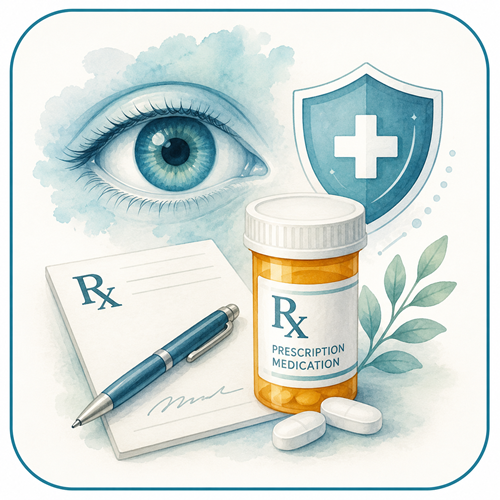
Some people benefit from corticosteroids or other medications that help reduce inflammation during the active phase of TED. Treatment recommendations vary depending on each person’s symptoms and medical history.

Biologic Therapies
A new era of treatment
Targeted biologic therapies have changed the treatment landscape for some people with active Thyroid Eye Disease by addressing specific immune pathways involved in the disease process. Researchers continue to study additional therapies that may expand treatment options in the future.

Rehabilitative & Supportive Care
Helping you live well
Prisms, vision therapy (for selected patients), occupational therapy, mental health support, and community resources may improve quality of life while navigating TED.
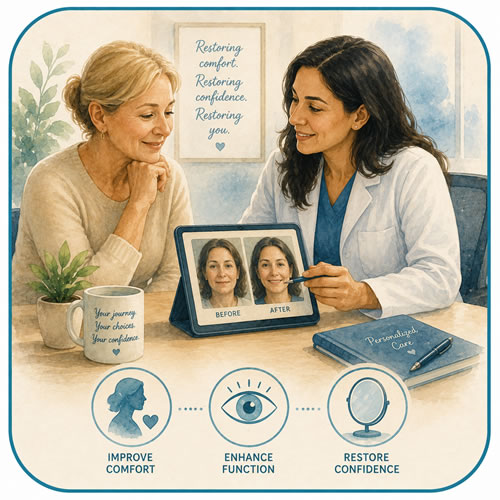
Reconstructive Surgery
Restoring comfort and function
When TED becomes inactive, some people choose surgery to improve vision, eye comfort, eyelid position, or appearance. Surgical decisions are highly individualized and should be discussed with an experienced ophthalmic surgeon.